Protect Outdoor Workers Against the Elements of Winter

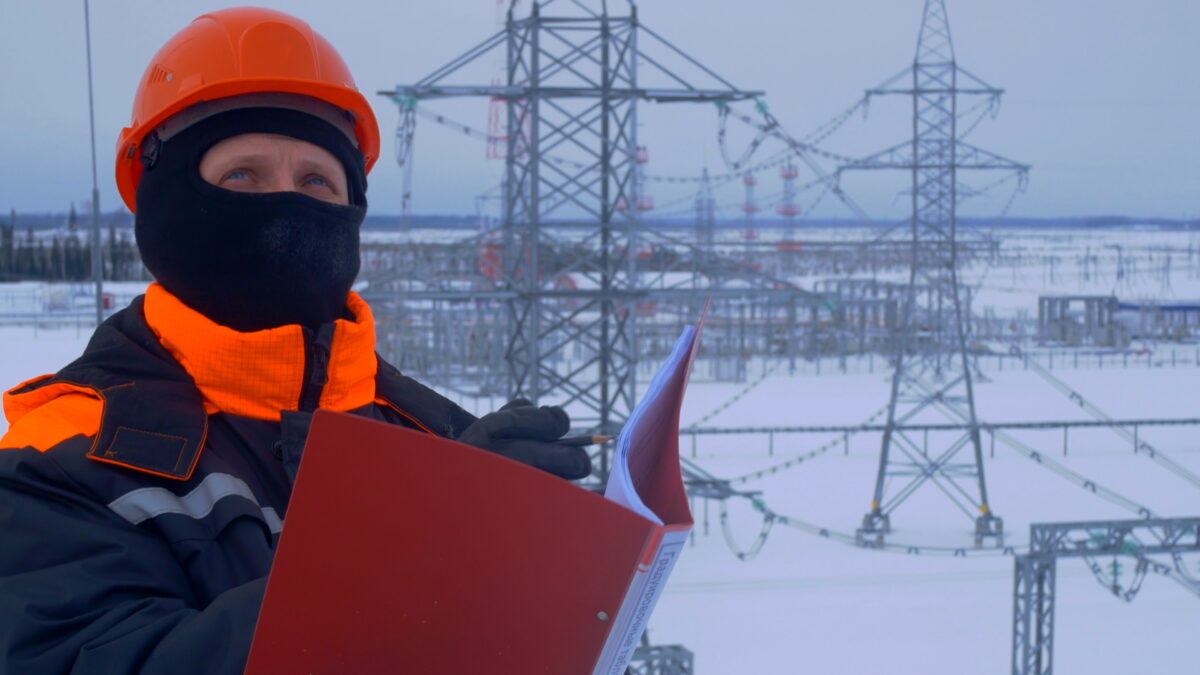
If you have outdoor workers or staff that will have to venture out into the elements during an especially cold winter, you need to make sure you are taking the correct precautions to keep them safe.

If the conditions are extremely harsh, your workers are at heightened danger of injury, or worse. But even if you have employees who are outside for short periods, they can also suffer injuries if they are not prepared.

The many dangers of winter
Winter can bring with it several dangers to your outdoor workers:

  • Cold or frigid temperatures
  • High winds
  • Damp air
  • Slippery surfaces
  • Contact with water
  • Frostbite
  • Hypothermia
  • Risk of strains, slips and falls
  • Dehydration
  • Decreased performance

OSHA has the following recommendations for protecting your workers:

Check the forecast — A supervisor should check the forecast for the next day before the end of the shift the day prior, to alert workers about any precautions they should take.

Appropriate clothing — Workers should have proper clothing suited for working in cold-weather conditions. Clothing from thermal underwear to gloves and jackets are the first line of defense against cold weather. Consider these tips for your employees:

  • Wear three layers of clothing. Start with insulating underwear — which traps perspiration — a middle layer that protects the body from precipitation, and an outer layer that allows ventilation and prevents overheating.
  • Cotton is not always a good choice. Wool, silk and some synthetic fabrics are better at keeping skin dry even when it’s raining or the worker is sweating.
  • Wear loose clothing. Tight clothing can trap moisture and lower body temperature.
  • Protect your extremities. That means head, hands and feet. Wear a warm cap or hat, insulating gloves and two pairs of socks and insulated shoes.
  • Carry an extra set of clothing in case something happens and a worker has to change.

Train workers — They should be trained on how to prevent and recognize cold-stress illnesses and injuries, and how to apply first aid treatment. Workers should be trained on the appropriate engineering controls, personal protective equipment and work practices to reduce the risk of cold stress.

Workers should be aware of their body signals — Teach your employees about the symptoms of frostbite, hypothermia and dehydration and report any symptoms they are experiencing to supervisors, who should know how to summon help and protect the worker.
The symptoms of hypothermia are:
Mild symptoms:

  • The worker may begin to shiver and stomp their feet in order to generate heat.

Moderate to severe symptoms:

  • As the body temperature continues to fall, symptoms will worsen and shivering will stop.
  • The worker may lose coordination and fumble with items in the hand, and become confused and disoriented.
  • They may be unable to walk or stand.
  • Dilated pupils.
  • Slowing pulse and breathing.
  • Loss of consciousness can occur.

The symptoms of frostbite are:

  • Reddened skin develops gray/white patches.
  • Numbness in the affected body part.
  • The affected part feels firm or hard.
  • Blisters may occur in the affected part, in severe cases.

Eat healthy, stay hydrated — Employers should stress the importance of a healthy diet to help workers power through harsh weather. They should be told to regularly drink warm water or warm sweetened fluids throughout the day.

Ask that they always eat breakfast before working outside, to give the body the fuel it needs. Also ask them to avoid excessive drinking the night before work.


Take Three Steps to Controlling Your New York Workers’ Compensation Costs

Workers’ compensation insurance in New York can be a large cost center for a Long Island business, and if your employees are regularly injured on the job those costs can quickly become a financial burden, even in this period of low rates.

Companies in industries with high rates of workplace injuries are especially vulnerable, particularly if an employee suffers permanently disabling injuries, or worse. But even a relatively safe business can see its premiums surge if it has a few costly claims.

Fortunately, employers can take steps to get a better handle on their workers’ compensation costs.

While the steps look easy on paper, they require management buy-in, a focus on preventing injuries and getting injured workers healed and back on the job. Here are three things that employers can do to better control their workers’ comp costs.

  1. Focus on accident prevention

To reduce the possibility of workplace incidents focus on the basics of a sound safety strategy:

  • Keep workspaces clean and free from clutter. Slips and falls can happen in an office, a factory or warehouse floor, a store or a construction site. Post warnings of slippery surfaces and immediately clean up spills. Ensure your floors are clear of power cords and computer cables. Don’t obstruct walkways and keep all work areas free from tripping hazards.
  • Keep equipment in good condition. This is especially important on construction sites, where injuries can be particularly severe. Ladders, tools, power equipment and other materials should be maintained, in order to minimize the risk of injury.
  • Provide appropriate protective equipment. This varies depending on the workplace. Workers should wear gloves and hard hats on construction sites, burn protection and slip-resistant shoes in restaurants, masks and gloves in medical offices, and so on.
  • Train workers on safety. Make sure they know how to safely perform their tasks. Do this during new employee orientation and hold regular safety training or tailgate meetings. The more hazardous the work environment, the more frequent training you’ll need to provide. All workplaces where frequent injuries are occurring should also have them.
  • Create a safety culture. Model safe work practices and let employees know they are expected to do likewise. Recognize and reward safe practices, but don’t discourage or retaliate against employees if they file a claim.
  • Work with a trusted insurance agency on Long Island like Bradley & Parker located in Melville.  Ask your agency to suggest safe work practices and let employees know they are expected to follow these. Recognize and reward safe practices, but don’t discourage or retaliate against employees if they file a claim.
  1. Limit claims costs

Ensure that the injured employee gets prompt medical attention. Be proactive and stay in contact with your worker and your carrier throughout the duration of the claim. Also, be sure to complete all required documentation in a timely manner to avoid unnecessary delays in the claims process.

Ask for second opinions on expensive surgeries or treatments. Have in place a return-to-work program to allow injured employees to work in lighter-duty roles until they are healthy enough to resume regular work.


  1. Keep detailed employee records

Documentation is extremely important in workers’ compensation, the costs of which are based the number of employees, how much each of them are paid and what kind of work each worker performs.

You’ll need to keep detailed and accurate payroll records to back up the numbers you submit to your insurance company. If you don’t, they’ll find them through the regular audits they conduct and if you underreported, they’ll ask for additional premium.

Example: Suppose a business has 10 employees, with eight of them doing hazardous work and two of them administrative employees. Without records segregating the payroll of the clerical workers from the others, the insurer will assign the high-hazard classification to all 10 employees, forcing the business to pay more than necessary.


The takeaway

Workers’ compensation ensures that injured employees have a reliable and speedy source of funds to replace lost income, and that the medical expenses for their industrial injury or illness are covered.

Employers who don’t keep safe workplaces, are not engaged in their workers’ claims and keep sloppy records, end up paying more for coverage. Those that do the opposite, don’t.

Business E-Mail Compromise Scams the Most Common Type of Cyber Attack

Business e-mail compromise scams are now the most common type of cyber attack businesses face, and all types of these attacks are showing no signs of letting up, according to a new report. cyber liability insurance is more necessary than ever before — even to the government.

Nearly three out of every four businesses were targets of these types of attacks and 29% of those firms became victims of successful attacks, which involve criminals impersonating company insiders or vendors to convince key personnel to transfer funds to them, according to the report by Arctic Wolf, a cyber-security firm.

While this has become the most common type of attack, a number of other schemes like ransomware attacks and data breaches are also growing in number and scope of damage. Any of these attacks can drain a company’s finances and result in tricky legal and possibly reputational issues that take time and money time to resolve.

Combating these threats requires training and cyber insurance coverage that may pay for the costs related to cyber attacks.

Here are the main threats businesses are contending with, according to the report:

Business e-mail compromise (BEC) — Seventy percent of organizations surveyed said they had been targeted by these types of scams. Some examples of BEC attacks include impersonating company executives to request wire transfers, falsifying invoice payment details, and tricking employees into revealing sensitive information. These scams can result in significant financial losses for businesses.

CAUTION: For businesses that use cloud-based e-mail services like Office365, these attacks are hard to detect since they don’t reside on company servers.

With many organizations moving to cloud-based e-mail services, these types of attacks can be difficult to identify with traditional security tools and may go undetected until they have successfully executed their objectives. This is one of the reasons why it is important to have cyber liability insurance.

Data breaches — Nearly half (48%) of organizations surveyed reported that they’d found evidence of a breach in their systems. The authors said that does not mean that the other 52% didn’t suffer a breach; it means they failed to find evidence of one.

Ransomware — Some 45% of organizations surveyed admitted to being the victim of a ransomware attack within the last 12 months. These attacks usually involve criminals gaining access to a company’s systems by getting an employee to click on a malicious link, after which they lock down the system and demand a ransom to unlock it.

Increasingly, these attacks include a data-theft component and the perpetrators may demand an additional ransom not to release the sensitive data to others.

What companies can do

To combat business e-mail compromise scams, you should:

  • Register all domain names that are similar to the business’s legitimate website and can be used for spoofing attacks.
  • Create rules that flag and delineate e-mails received from unknown domains.
  • Monitor and/or restrict the creation of new e-mail rules within the e-mail server environment.
  • Enable multi-factor authentication.
  • Conduct BEC drills, similar to anti-phishing exercises.

Finally, companies that use cloud-based e-mail services should when adopting Office 365 or alternatives employ detection tools or services specifically designed to monitor for threats related to business e-mail compromise scams.

To combat ransomware, you should consider:

Regularly backing up systems and data. Perform frequent backups of your system and other important files, and verify your backups regularly. This way you can restore functions if hit by ransomware.

Storing your backups separately. In particular, store backups on a separate device that cannot be accessed from a network, such as on an external hard drive.

Training your staff. Train your staff in how to spot possible phishing e-mails that are designed to convince an employee to click on a malicious link that will release the ransomware.

Cyber Liability Insurance

To ensure that your organization is protected in case of an attack, you should seriously consider purchasing cyber liability insurance. Bradley & Parker in Melville can help you with purchasing cyber insurance. Visit our commercial insurance page for more contact information.

Policies vary by carrier, but often may help pay for any financial losses you may incur in the event of a cyber attack or data breach. A policy also helps cover any costs related to the remediation process, such as paying for the investigation, crisis communication, legal services and refunds to customers.


Life Insurance Cost Misconceptions

Life insurance isn’t just a smart choice. It’s a crucial step in securing your family’s financial stability and peace of mind.

Unfortunately, 52% of Americans avoid life insurance because they think it’s too expensive. What’s more, 82% significantly overestimate its cost, often guessing three times higher than the actual figures.

Let’s look at the real numbers: As of April 2024, the average cost for a healthy 40-year-old purchasing a 20-year, $500,000 term life insurance policy is about $26 per month ($312 per year). However, a 30-year-old woman might pay approximately $205 per year for the same policy, while a 30-year-old man might pay around $352 per year.

Understanding these variations underscores the importance of getting a personalized quote that fits your unique needs and budget. Don’t let myths deter you from this vital protection.

Contact our Melville life insurance team today for an accurate, personalized life insurance quote. We’re here to help you find an affordable plan that delivers the security your family deserves.

Cost-Saving Car Maintenance Tips

How does saving thousands of dollars in car repairs sound? We’re here to share some maintenance tips that may do just that! Check them out below:

  • Check your spare tire – It’s just as important to keep the backup tire inflated as it is to the four tires under your car. Test the air pressure of your driving tires and spare tire once a month.
  • Change the oil – Since oil affects many of your car’s functions, oil problems can be costly to fix. Pay as little as $25 to change your oil, and generally do so every 5,000 miles.
  • Keep the battery clean – If you don’t keep it clean, it could develop a crack or not function properly. Test your battery twice a year and inspect it for corrosion.
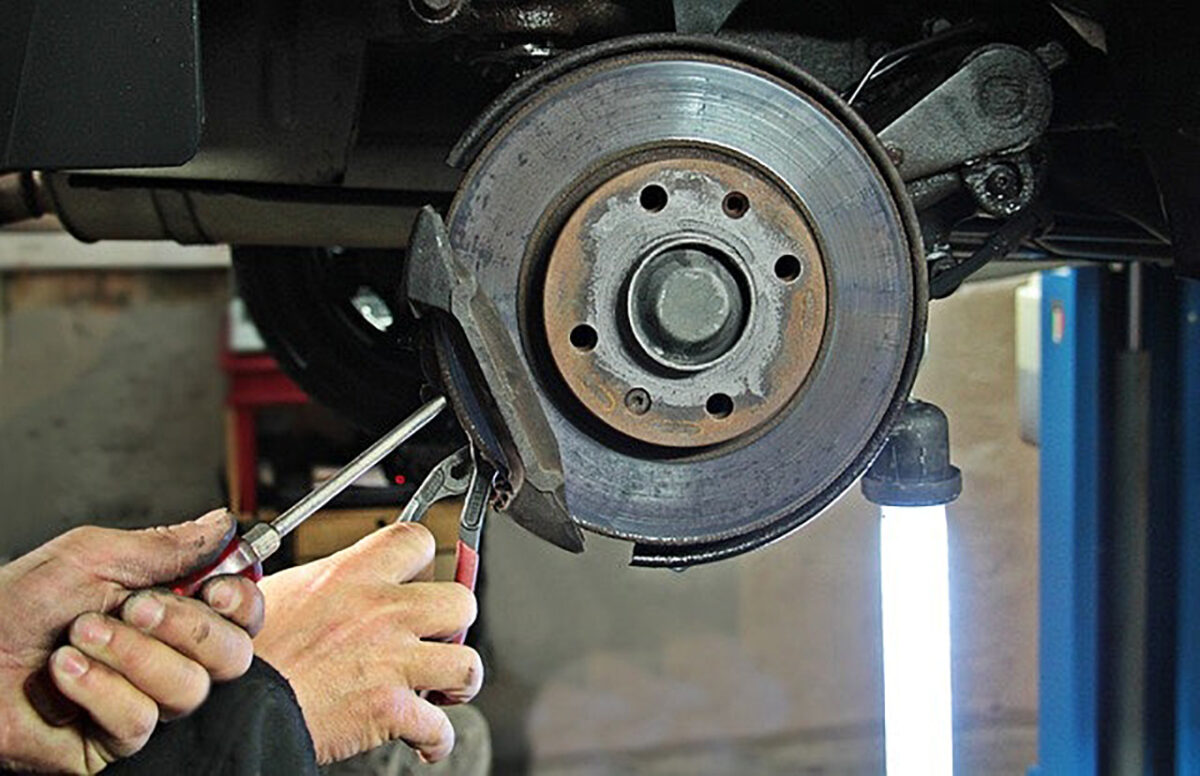
  • Replace the brake pads – Check the brake fluid every time you change the oil. If it’s dark in color, reach out to a mechanic to get your brake fluid changed and see if a new system is needed.
  • Replace your air filter – Change your air filter every 12 months or 12,000 miles, as using an old air filter can lead to significant – and costly – problems for your air conditioning system.
  • Get your tires rotated – Rotate your tires every 3,000 to 5,000 miles, and you can extend their life–and save yourself $400 to $800 for a brand-new set of four.

Got any car maintenance tips to add to this list? Comment them below! And as always, reach out to our team with any auto insurance questions–we’re here to help.