
Commercial Property Owners Most Concerned About Natural Disasters, Severe Weather
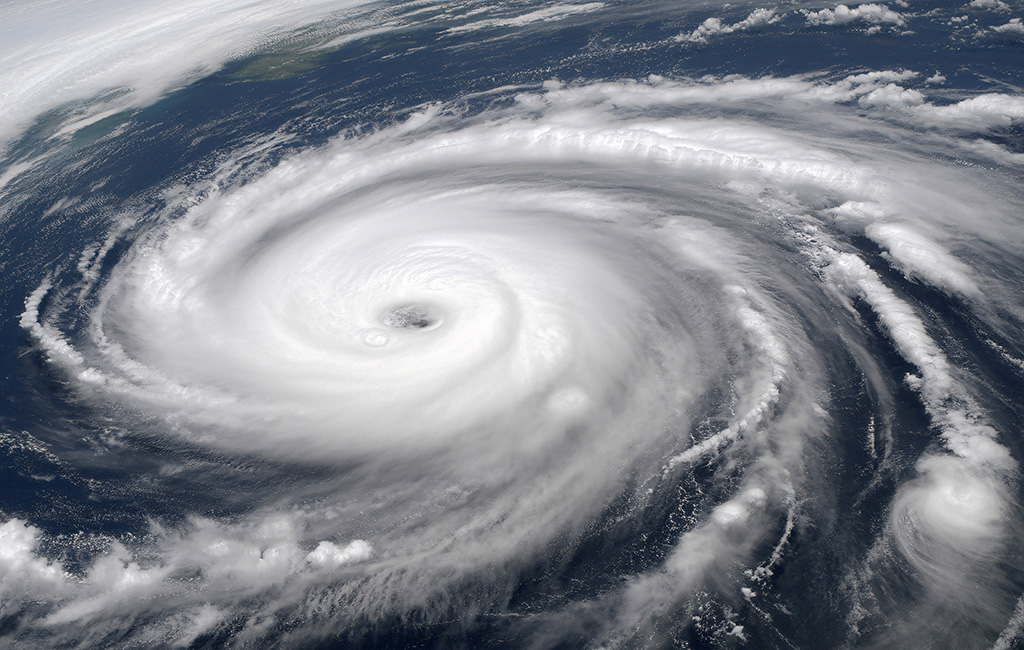
U.S. commercial property owners rank the threat of severe weather and natural catastrophes as their primary risk but are confident in their buildings’ ability to withstand damage from such events, according to a new survey.
The property owners said their worries about heat waves, flooding and damaging winds mainly concern business interruption, water intrusion and structural damage, according to the “Commercial Lines Protection Survey” by Nationwide Insurance. While they have taken steps to mitigate weather-related risks and feel confident in the structural integrity of their properties, most reported feeling unprepared to handle these events.
“Businesses have made meaningful investments to strengthen their properties, and that’s encouraging,” Jason Ragsdale, Nationwide’s leader of Risk Management Technical Specialization, said in a statement. “But resilience goes beyond the building itself. It requires a comprehensive approach that includes risk mitigation, continuity planning and insurance coverage that reflects today’s evolving risks.”
The survey found that 49% of property owners reported that their facilities had been damaged by a natural disaster in the past five years. But those figures were higher for building owners in states susceptible to convective storms (61%) and in hurricane-prone states (56%).
Here’s how property owners ranked various risks they face:
- Severe weather/natural disasters: 61%
- Labor shortages or higher labor costs: 53%
- Supply-chain disruptions: 45%
- Water damage: 41%
- Government regulations or zoning changes: 35%
- Fire damage: 26%
- Cyber security threats/data breaches: 24%
- Crime/theft: 13%
Mitigation efforts
Property stakeholders have been taking steps to protect their buildings and operations by:
- Purchasing backup generators.
- Adding extra bracing for severe winds.
- Installing storm shutters or impact-resilient doors, windows, and flashing.
- Building drainage systems.
- Installing storm-resistant roofing.
- Upgrading or repairing property to standards above current code requirements.
- Installing electrical system surge protection.
- Adding defensible space around the property.
- Installing non-combustible roofs and decks.
- Installing seismic bracing for sprinkler systems and gas appliances.
- Installing seismic gas shut-off valves.
- Buying additional insurance coverage for natural disasters.
- Landscaping property to manage water drainage, like installing berms or gutters.
Besides hardening their properties against natural disasters and severe weather, owners are taking other steps to protect their properties from other risks, including installing:
- Connected security cameras or video surveillance systems (92%)
- Smart access control systems like keyless entry, biometric and mobile credentials (84%)
- Connected fire or smoke detection systems (78%)
- Smart lighting systems such as motion sensors, automated dimming, and energy optimization (74%)
- Smart HVAC or climate-control systems (64%)
- Smart thermostats or temperature sensors (44%)
- Smart water leak detection or automatic water shutoff systems (41%)
- Predictive maintenance or equipment-monitoring sensors for elevators, boilers and pumps (27%)
- Environmental sensors for humidity, air quality, CO₂ and occupancy (26%)
Insurance
More than eight in ten say they feel well protected against severe weather losses, but only 39% say they feel fully protected. Two in five owners believe commercial property insurance affordability has improved over the last year, yet 60% are interested in finding ways to cut their property insurance premiums by:
- Bundling policies (84%)
- Asking their broker to get more quotes from competing carriers (77%)
- Asking their agent about ways to reduce costs (53%)
- Raising deductibles to reduce premiums (37%)
- Opting out of optional coverages (29%)
- Reducing coverage limits (26%)
The takeaway
As natural catastrophes grow in number and scope, more properties around the country are susceptible to this growing risk.
Also, property owners face a number of other risks they need to protect their properties against. Water damage continues to be a serious claims driver, underscoring the need for a more comprehensive approach that combines physical mitigation, smart technology and insurance coverage to strengthen resilience and reduce potential losses.